
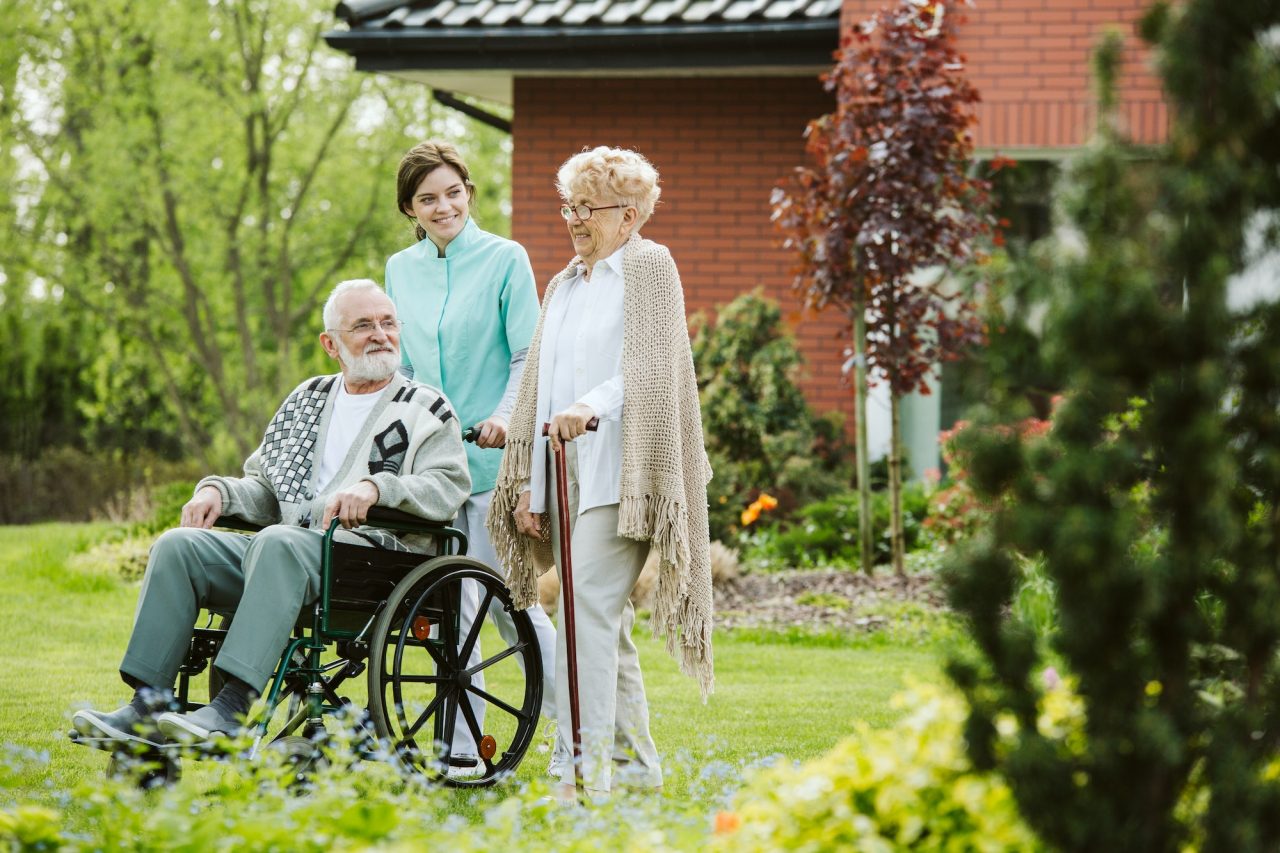
For many older adults, home represents far more than a place to live. It is where daily routines have developed over the years, where personal belongings carry memories, and where family relationships have grown. Staying in that familiar environment can provide a strong sense of comfort and independence as a person gets older.
Aging in place means continuing to live safely and comfortably in one’s own home as needs change with age. For caregivers, supporting this choice often involves more than arranging medical appointments or helping with household tasks. The home environment, daily routine, social connections, nutrition, mobility, and level of assistance all play a role.
Families may also need additional help as a senior’s needs increase. Professional senior home care services can provide practical and personal support while allowing older adults to remain in familiar surroundings. Ever Green Home Health Care provides services for seniors in Calgary and surrounding areas, including companionship and home care visits to seniors.
Create a Home Environment That Supports Aging in Place
A comfortable home should make everyday activities easier rather than create unnecessary obstacles. As seniors experience changes in balance, strength, vision, or mobility, features that once seemed harmless can become difficult to navigate.
Caregivers can walk through the home with the senior and look at everyday routines from their perspective. A frequently used chair that is difficult to get out of, a poorly lit hallway, or a cluttered walkway may create avoidable difficulties.
Small changes can make the home more practical:
- Remove loose rugs, clutter, and unnecessary furniture from walking paths.
- Add brighter lighting to hallways, stairways, bedrooms, and bathrooms.
- Keep commonly used items within comfortable reach.
- Install appropriate grab bars and other safety equipment where needed.
Bathroom safety deserves particular attention because wet surfaces and awkward movements can increase the risk of falls. A non-slip surface, suitable seating, accessible toiletries, and adequate lighting can make personal care easier.
The goal is not to make the home feel clinical. It is to preserve the character of the home while adjusting it to the senior’s changing abilities. In home care services for seniors can provide another layer of assistance when an older adult needs help with daily activities but wants to remain at home. Ever Green Home Health Care lists elderly care, companionship, assisted daily living activities, and home care visits among the needs its services address.
Build Healthy Daily Routines for Seniors
A predictable daily routine can make life easier for both seniors and caregivers. Regular meal times, personal care, rest, social activities, and movement create structure without making every part of the day feel scheduled.
Caregivers should consider what the senior already enjoys rather than introducing a completely unfamiliar routine. Someone who has always enjoyed a morning newspaper, an afternoon walk, or an evening phone call with family may benefit from keeping those habits.
A routine should also remain flexible. Energy levels can vary from day to day, particularly for seniors managing chronic conditions or recovering from illness. The purpose is to provide consistency while leaving room to respond to changing needs.
Encourage Movement and Safe Physical Activity
Regular movement can help seniors maintain strength, flexibility, balance, and confidence. The right activity depends on the individual’s health, mobility, and recommendations from their healthcare professionals.
A caregiver might encourage short walks, gentle stretching, simple household activities, or other approved exercises. Movement does not always have to take place in a formal exercise session. Preparing a meal, tending to plants, or walking around the home can add activity to the day.
Safety should remain the priority. Seniors with significant mobility concerns should receive appropriate professional guidance before starting a new exercise routine.
Ever Green Home Health Care identifies physical and mobility therapy among its areas of service, along with assisted daily living support.
Make Nutrition and Hydration Part of the Routine
Eating and drinking habits can change as people age. Reduced appetite, difficulty preparing meals, changes in taste, medication effects, or limited mobility can make it harder for some seniors to maintain regular nutrition.
Caregivers can make healthy choices easier by keeping suitable foods available and creating regular meal and snack times. Water and other appropriate beverages can also be placed somewhere that is easy to access.
Dietary decisions should account for individual medical needs. Seniors managing conditions such as diabetes, heart disease, or swallowing difficulties may require specific recommendations from their healthcare team.
Changes in eating or drinking patterns should not simply be dismissed as a normal part of aging. A noticeable or persistent change may warrant discussion with a healthcare professional.
Stay Connected Through Companionship and Social Activities
Physical comfort is only one part of quality of life. Social connection can be just as meaningful for a senior who spends much of the day at home.
Retirement, the loss of a spouse or friends, reduced mobility, and living farther from family can all change a person’s social life. Caregivers can help by making social interaction a regular part of the week instead of waiting for special occasions.
Simple activities can provide meaningful connection:
- Schedule regular family meals, visits, or video calls.
- Encourage hobbies such as gardening, reading, crafts, music, or puzzles.
- Help seniors participate in suitable community or social activities.
- Include them in everyday family decisions and conversations.
Companionship can also be useful when family members cannot be present throughout the day. Ever Green Home Health Care describes companionship as a service designed to help clients remain connected, valued, and socially engaged at home.
For families researching home health care Calgary options, the right provider can offer support that complements family involvement. The aim is not to replace meaningful family relationships, but to provide dependable assistance when caregivers have work, travel, or other responsibilities.
Know When Extra Support Can Make Home Life Easier
A senior may initially manage daily life independently and later require additional assistance. These changes can happen gradually, making them difficult for family members to recognise.
Caregivers should pay attention to changes in everyday activities. Difficulty preparing meals, maintaining personal hygiene, moving safely around the house, managing routines, or keeping up with household responsibilities may indicate that additional support would be useful.
A change in social behaviour can also provide a clue. A senior who previously enjoyed regular activities but has begun avoiding them may be experiencing mobility limitations, fatigue, loneliness, or another issue that deserves attention.
Professional senior home care can help families respond to these changes while keeping the senior’s preferences at the centre of care. Depending on individual circumstances, support may involve companionship, daily living assistance, nursing care, mobility support, or other services.
Ever Green Home Health Care works with seniors and elderly clients and offers services that include companionship, specialised nursing care, foot care, palliative and hospice care, and support for daily living.
The amount of support does not have to remain fixed. A senior might need occasional assistance at one stage and more regular care later. Reviewing the situation periodically can help families adjust support before a small difficulty becomes a major safety concern.
Help Seniors Maintain Independence While Accepting Support
Independence does not necessarily mean doing everything without assistance. For many seniors, independence means having a say in how they live, what they do each day, and who provides their support.
Caregivers can protect that sense of control by involving seniors in decisions about changes to the home and daily routines. Ask which tasks they find difficult, which activities matter most, and what type of assistance feels comfortable.
This approach can also make professional care easier to accept. Instead of presenting help as something being imposed on them, families can frame it as a practical way to continue doing the things they value.
A senior might need assistance with bathing but still be able to choose their clothes. They may need help preparing meals but want to decide what they eat. They may benefit from companionship but prefer to choose their own activities.
Respecting these choices keeps the focus on the person’s quality of life rather than simply completing a list of care tasks.
Support the Whole Lifestyle, Not Just Individual Tasks
Aging in place works best when caregivers look beyond individual chores. A safe home, reliable routine, good nutrition, regular movement, meaningful relationships, and appropriate care can work together to make home life more comfortable.
Care needs can change over time, so families should continue communicating with the senior and relevant healthcare professionals. A plan that works today may need adjustment several months from now.
Professional support can also give family caregivers greater confidence. When responsibilities become difficult to balance, seeking assistance is not a failure of family caregiving. It can be a practical way to protect the senior’s wellbeing while allowing family relationships to remain focused on connection rather than constant task management.
Conclusion
Helping a senior remain at home comfortably requires attention to the details of everyday life. Safer rooms, familiar routines, nutritious meals, regular movement, companionship, and appropriate professional assistance can all contribute to a better experience of aging in place.
For caregivers, the most useful approach is to keep the senior involved in decisions and adjust support as their needs change. Professional home care can provide additional assistance while preserving the familiarity and independence that make home meaningful.
Families in Calgary who need guidance about care options can Contact Us at Ever Green Home Health Care to discuss available support and determine what may be appropriate for their loved one’s needs.
Frequently Asked Questions
What does aging in place mean for seniors?
Aging in place means continuing to live in a familiar home and community as a person grows older, while making appropriate adjustments to the environment and support system as needs change.
How can I make my home safer for an aging parent?
Start by removing trip hazards, improving lighting, keeping essential items accessible, and reviewing bathroom and stair safety. A professional assessment may be appropriate when a senior has significant mobility or balance concerns.
What type of home care for seniors is available?
The type of care depends on individual needs. Support may include companionship, assistance with daily activities, nursing services, mobility support, foot care, palliative care, and other forms of home-based assistance.
How can caregivers support senior independence?
Caregivers can involve seniors in decisions, maintain familiar routines, encourage safe activities, and provide assistance only where it is needed. The objective is to support the person’s abilities rather than take over every task.
When should a senior consider additional home care?
Additional support may be appropriate when a senior struggles with personal care, mobility, meals, household routines, social isolation, or other daily activities. Changes should be discussed with the senior and, where appropriate, healthcare professionals.