
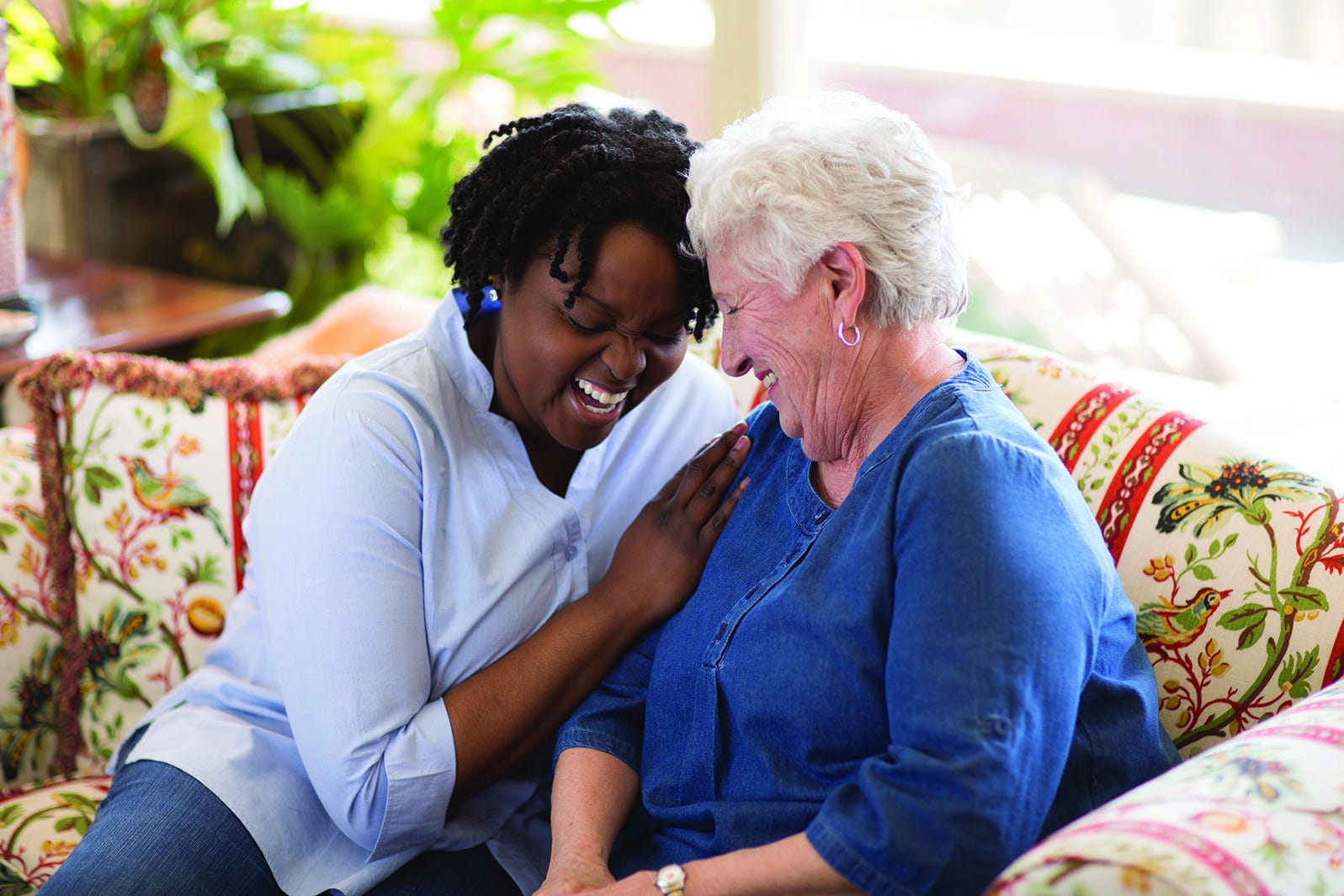
As healthcare needs continue to evolve, many families are choosing care that allows their loved ones to remain in the comfort of their own homes. Home healthcare has become an increasingly popular option for seniors, individuals recovering from illness or surgery, and people living with chronic health conditions. It offers personalized support while helping maintain independence and dignity.
Professional home care in Calgary services provide both medical and non-medical assistance based on each individual’s unique needs. From personal care and companionship to skilled nursing and medication management, home healthcare enables people to receive quality care without leaving familiar surroundings.
Whether you are exploring care options for an aging parent or planning post-hospital recovery, understanding how home healthcare works can help you make informed decisions. This guide explains what home health care is, who can benefit from it, and why it has become an essential service for many Calgary families.
Understanding Home Health Care
Home healthcare is designed to provide personalized support to individuals while allowing them to remain safely in their own homes. Unlike hospital or long-term care facilities, home healthcare focuses on delivering customized services that promote independence, comfort, and improved quality of life.
Depending on individual needs, care plans may include personal assistance, home nursing, medication support, rehabilitation, companionship, and help with daily living activities. Services can be scheduled for a few hours each week or provided on a full-time basis.
What Is Home Health Care?
Home health care refers to professional services delivered in a person’s home to support their physical, emotional, and medical needs. Care is tailored to each client and may be provided by caregivers, personal support workers, or licensed nurses.
Unlike institutional care, home healthcare allows individuals to remain in a familiar environment while receiving professional assistance. This often reduces stress, promotes emotional well-being, and encourages greater independence.
Many families choose home care services because they provide flexible solutions that adapt as care needs change over time.
Types of Home Care Services
Professional home healthcare providers offer a wide range of services depending on the individual’s health condition and daily living requirements.
Common services include:
- Personal hygiene and bathing assistance
- Meal preparation and nutrition support
- Medication reminders and monitoring
- Mobility and transfer assistance
- Light housekeeping
- Home nursing care
- Rehabilitation support
- Companionship and emotional support
These services are customized to meet short-term recovery needs as well as long-term care requirements.
Benefits of Home Health Care
Choosing professional home health care in Calgary services provides numerous advantages for both clients and their families.
Some of the key benefits include:
- Personalized care plans designed around individual needs.
- Greater comfort by receiving care in familiar surroundings.
- Improved independence while maintaining daily routines.
- Flexible scheduling that adapts to changing healthcare needs.
Home healthcare also gives families peace of mind knowing their loved ones are receiving compassionate and professional support.

Who Can Benefit From Home Health Care?
Home healthcare is not limited to seniors. People of all ages may benefit from professional in-home care depending on their health condition, recovery needs, or lifestyle. Whether someone requires temporary assistance following surgery or ongoing support for a chronic illness, home healthcare offers flexible care solutions that promote safety and independence.
Receiving care at home often reduces unnecessary hospital visits while helping individuals maintain familiar routines and stronger emotional well-being.
Seniors Aging at Home
Many older adults wish to remain in their own homes rather than move into assisted living facilities. Home healthcare makes this possible by providing assistance with everyday activities while encouraging independence.
Caregivers can help with bathing, dressing, meal preparation, mobility, medication reminders, and transportation to appointments. This support allows seniors to continue living comfortably while maintaining their preferred lifestyle.
In addition to physical assistance, caregivers provide valuable companionship, helping reduce feelings of loneliness and social isolation.
Individuals Recovering After Surgery
Recovery following surgery often requires temporary assistance with daily activities. Home healthcare helps individuals focus on healing while receiving professional support during recovery.
Care may include wound monitoring, medication reminders, mobility assistance, and help with household tasks until the individual regains strength and independence.
Receiving care at home also allows patients to recover in a familiar and comfortable environment, which can contribute to emotional well-being.
People Living with Chronic Conditions
Individuals managing chronic illnesses such as diabetes, arthritis, Parkinson’s disease, heart disease, or respiratory conditions often require ongoing care and regular monitoring.
Professional home healthcare provides consistent support tailored to each person’s medical needs while helping them continue living safely at home. Caregivers work closely with clients and families to ensure routines, medications, and daily activities are managed effectively.

Services Included in Home Health Care
Home healthcare includes a wide range of services that are tailored to each individual’s needs. Some people require short-term assistance after an illness or surgery, while others benefit from long-term support for aging or managing chronic conditions. Professional caregivers create personalized care plans that promote safety, comfort, and independence.
Whether the need is medical or non-medical, home healthcare allows individuals to receive quality care without leaving the comfort of their own homes.
Personal Care Assistance
Personal care is one of the most common home care services provided. Caregivers assist clients with daily activities that may become difficult due to age, illness, injury, or limited mobility.
Personal care may include:
- Bathing and grooming
- Dressing assistance
- Toileting and continence care
- Meal preparation
- Mobility and transfer assistance
These services help clients maintain their dignity while remaining as independent as possible.
Home Nursing Support
Professional home nursing services are ideal for individuals who require medical care at home. Licensed nurses provide skilled support while working alongside physicians and family members.
Home nursing services may include:
- Medication administration
- Wound care
- Health monitoring
- Chronic disease management
- Post-operative care
Receiving nursing care at home often reduces unnecessary hospital visits and provides greater comfort during recovery.
Medication Reminders and Health Monitoring
Many individuals, especially seniors, take multiple medications each day. Missing doses or taking incorrect medications can create serious health risks.
Professional caregivers help by providing medication reminders, monitoring changes in health, and reporting concerns to family members or healthcare professionals when necessary.
Regular monitoring also helps identify potential health issues early, allowing timely medical attention if required.
The Importance of Companion Care
Physical care is only one part of maintaining overall health. Emotional well-being, social interaction, and meaningful companionship are equally important, especially for seniors who live alone or individuals recovering from illness.
Professional companion care services provide friendly social support while encouraging engagement in daily activities. Having someone to talk with, share meals, or participate in hobbies can significantly improve quality of life.
Emotional Support
Loneliness and isolation can negatively affect both mental and physical health. Companion caregivers provide conversation, encouragement, and emotional reassurance that help clients feel connected and valued.
Simple activities such as enjoying a cup of tea together, reading, playing games, or taking a walk can make a meaningful difference in someone’s day.
Daily Living Assistance
Companion caregivers also help with light household tasks that support independent living. Assistance may include meal preparation, grocery shopping, organizing appointments, light housekeeping, and transportation for errands or medical visits.
These practical services reduce stress and help clients continue living comfortably at home.
Social Interaction
Regular social engagement promotes emotional well-being and helps reduce feelings of loneliness. Companion caregivers encourage participation in hobbies, community activities, and family interactions whenever possible.
Benefits of companion care include:
- Reduces loneliness and social isolation.
- Encourages healthy daily routines.
- Promotes emotional well-being and confidence.
- Supports safe and independent living at home.

Choosing the Right Home Healthcare Provider
Selecting the right home healthcare provider is one of the most important decisions families can make. A trusted provider delivers compassionate care while respecting each client’s independence, dignity, and personal preferences.
When comparing providers, look for organizations with experienced caregivers, flexible care plans, and a strong commitment to personalized service.
Experience and Professional Qualifications
Choose a provider that employs trained and experienced caregivers capable of meeting a variety of healthcare needs. Professional qualifications, ongoing training, and background checks provide confidence that clients receive safe and reliable care.
An experienced team can also respond more effectively as care needs change over time.
Personalized Care Plans
Every client has unique healthcare goals. The best home healthcare providers create customized care plans that reflect the individual’s physical, emotional, and medical needs.
Personalized plans ensure that services remain flexible and can be adjusted as circumstances evolve.
Family Communication
Open communication between caregivers and family members is essential for successful care. Regular updates help families stay informed about their loved one’s well-being and any changes in health or daily routines.
For families seeking additional social support, companion home care offers personalized companionship that complements personal care and nursing services, helping clients enjoy greater independence and emotional well-being.
Conclusion
Professional home health care Calgary services provide families with peace of mind by delivering compassionate, personalized care in the comfort of home. Whether an individual needs short-term recovery assistance, skilled home nursing, personal care, or ongoing companionship, home healthcare allows them to maintain independence while receiving the support they need.
Choosing experienced caregivers ensures that clients receive high-quality care tailored to their unique needs, helping improve safety, comfort, and overall quality of life. From personal assistance and medical support to emotional companionship, home healthcare offers flexible solutions that adapt as needs change over time.
If you or a loved one is considering professional home healthcare, the team at Evergreen Home Health Care is here to help. Contact Us today to schedule a consultation and learn how our personalized home care services can support your family’s needs.
Frequently Asked Questions (FAQs)
1. What is home health care?
Home health care is a range of professional medical and non-medical services provided in a person’s home to support daily living, recovery, and overall well-being while promoting independence.
2. Who can benefit from home health care in Calgary?
Home healthcare is beneficial for seniors, individuals recovering from surgery, people living with chronic illnesses, those with disabilities, and anyone who needs temporary or long-term assistance at home.
3. What services are included in home care services?
Home care services may include personal care, bathing assistance, meal preparation, medication reminders, light housekeeping, companionship, home nursing, mobility support, and transportation assistance.
4. What is the difference between home nursing and companion care?
Home nursing focuses on medical care such as wound care, medication administration, and health monitoring, while companion care emphasizes emotional support, social interaction, and assistance with everyday activities.
5. How do I choose the right home healthcare provider?
Look for a provider with qualified caregivers, personalized care plans, positive client reviews, flexible scheduling, and strong communication with families to ensure high-quality, compassionate care.